Serving NYC & Long Island info@nycstonecare.com
24/7 Availability

Marble Sealing Service NYC & Long Island

Your Stone Stays Protected, Beautiful, and Stain-Free

One spill shouldn’t cost you thousands. Professional stone sealing creates an invisible barrier that stops stains, moisture, and damage before they happen—so your marble and natural stone look flawless for years, not months.

Premium Penetrating Sealers Only

We use professional-grade impregnating sealers that protect from within, not cheap surface coatings that peel, yellow, or trap moisture underneath.

Proper Surface Preparation Guaranteed

Complete cleaning and drying before sealing means the product actually penetrates your stone instead of sitting on top creating hazy buildup.

NYC Hard Water Expertise

We understand coastal humidity and hard water challenges specific to NYC and Long Island properties that accelerate stone deterioration without protection.

Realistic Expectations, Real Results

We explain what sealing actually does—prevents staining, not etching—so you know exactly what protection you're getting and how to maintain it.

Stone Sealing Service NYC & Long Island

Protection That Works Without Changing How Your Stone Looks

Natural stone is porous. That means marble, granite, travertine, and limestone all have microscopic openings that absorb liquids like wine, coffee, oils, and water. Once those substances seep below the surface, you’re looking at permanent stains that won’t wipe away.

Professional stone sealing fills those pores with an invisible protective barrier. It’s not a coating that sits on top—it’s a penetrating sealer that works from within the stone itself. You get protection against everyday spills and moisture without changing the color, texture, or natural finish you paid for.

This matters in NYC and Long Island where coastal humidity, hard water, and daily wear put constant pressure on your stone surfaces. Without sealing, you’re watching a $10,000+ investment deteriorate when $400 of protection could have prevented it.

Marble Floor Sealing NYC & Long Island

What Changes When Your Stone Is Actually Protected

You stop living on edge every time someone sets down a glass or spills something in the kitchen. Your stone handles normal life without turning into a restoration project.

Coffee and wine spills bead on the surface instead of soaking in, giving you time to wipe them up without panic or permanent damage.
Your stone stops absorbing moisture that leads to mold growth, water marks, and that dull, lifeless appearance unsealed surfaces develop over time.
Daily cleaning becomes faster because dirt and grime don’t settle into the pores—a quick wipe handles what used to require serious scrubbing.
You extend the life of your marble and stone by decades, protecting an investment that cost thousands and avoiding $70-190 per square foot replacement.
Your floors, countertops, and showers maintain that fresh, elegant look instead of developing the stained, etched, worn appearance that screams neglect.
You get breathing room between spills and cleanup without watching every drop of liquid like it’s a threat to your entire kitchen.

Natural Stone Sealer Application NYC

The Difference Between Protection and Wasted Money

Walk into any big-box store and you’ll find cheap sealers that promise the same results. What they don’t tell you is that most of those products sit on the surface creating a film that looks hazy, traps moisture, and wears off in weeks.

Our professional marble sealing service in NYC and Long Island uses penetrating sealers—also called impregnating sealers—that actually absorb into the stone’s pores. These create a hydrophobic and oleophobic barrier that repels both water and oils without changing how your stone looks or feels. No plastic appearance. No sticky residue. Just invisible protection.

The application technique matters just as much as the product. If the stone isn’t completely clean and dry before sealing, the product can’t penetrate properly. If you don’t wipe off excess sealer before it dries, you get a hazy film that’s difficult to remove. If you use the wrong type of sealer for your specific stone, you might not get any protection at all.

That’s the gap between DIY attempts and professional stone sealing service—knowing which product works for your marble tile sealing versus granite versus travertine, and having the experience to apply it correctly the first time.

Protective Stone Sealing Long Island NY

What's Actually Included When We Seal Your Stone

Professional stone sealing starts with assessment. We test your stone’s porosity using a simple water test—if water darkens the surface within a few minutes, your stone needs sealing. If it beads up, you might still have protection from a previous application.

Next comes deep cleaning with pH-neutral stone cleaners that remove oils, residues, and buildup without damaging the surface. This step gets skipped in most DIY jobs, which is why the sealer doesn’t penetrate and you end up with streaky, uneven protection.

Then we wait. The stone needs to dry completely—usually 24 to 48 hours—because any trapped moisture prevents the sealer from absorbing and causes that cloudy haze nobody wants. Once dry, we apply the appropriate penetrating sealer in manageable sections, allowing proper absorption time, and carefully removing any excess before it can dry on the surface.

For highly porous stone like Carrara marble or certain limestone, multiple coats might be necessary. We test the results with a water bead test to confirm the seal is working, then give you a realistic timeline for when you’ll need resealing based on your stone type and how heavily you use the space.

Marble Tile Sealing Process NYC

From First Assessment to Long-Term Protection

01

Surface Testing and Evaluation

We assess your stone’s current condition and porosity level to determine if sealing is needed and which type of sealer will provide optimal protection.

02

Professional Cleaning and Prep

Deep cleaning removes all dirt, oils, and residues, followed by complete drying to ensure the sealer can penetrate properly without trapping moisture.

03

Expert Sealer Application

We apply premium penetrating sealer in sections, allow proper absorption time, remove excess product, and verify protection with water bead testing.

Frequently Asked Questions

Find answers to common questions about our services, process, and how we work.
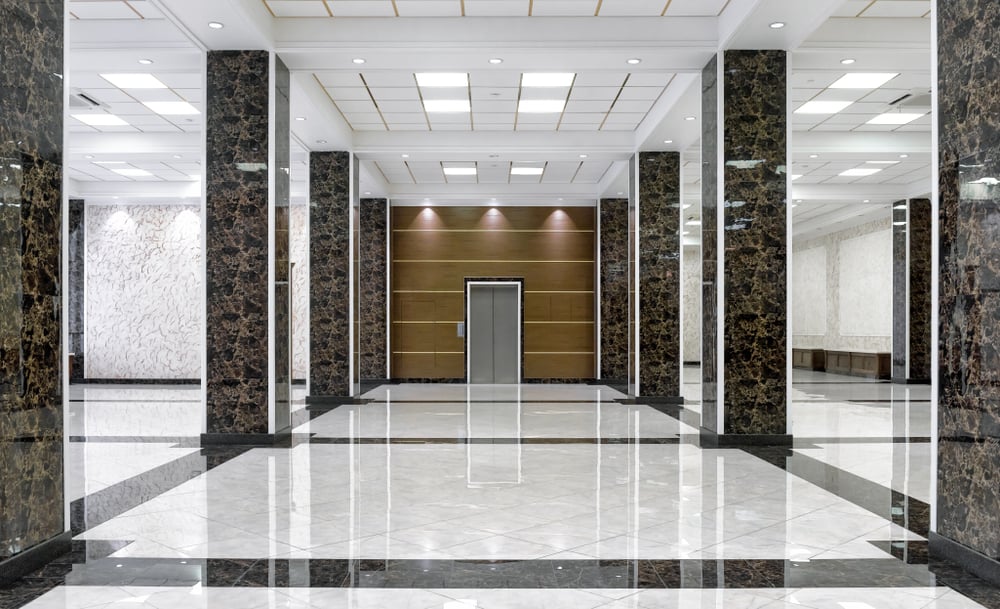
Spacious, modern building lobby with shiny marble floors enhanced by expert stone restoration NYC, dark marble columns, and bright ceiling lights. An elevator with wooden paneling is centered at the far end of the room.

Still Have Questions?

We’re here to help. Reach out to our team anytime!

How do I know if my marble or stone actually needs sealing?
Pour a small amount of water on your stone surface and wait about 10 minutes. If the water darkens the stone or absorbs into it, your stone needs sealing. If the water beads up and sits on top without penetrating, you still have protection from a previous seal. This simple test works on all natural stone—marble floors, granite countertops, travertine tiles, limestone vanities. The darker and faster the water absorbs, the more porous your stone is and the more urgently it needs protection. You can also test with a drop of olive oil since some stones resist water but still absorb oils. In NYC and Long Island, hard water and coastal humidity mean even previously sealed stone may need resealing sooner than you’d expect. If you’re seeing water marks, dull spots, or any staining, those are clear signs your seal has worn off and your stone is vulnerable.
It depends entirely on how you use the space, not some arbitrary timeline. Kitchen countertops that see daily cooking, spills, and cleaning typically need resealing every 3 to 6 months. Bathroom vanities and shower walls usually need attention every 6 to 12 months. Floors in lower-traffic areas might go 12 to 18 months between sealing. The water test is your best indicator—when water stops beading and starts absorbing, it’s time to reseal regardless of how long it’s been. High-use areas wear through sealers faster. Lighter-colored marble like Carrara is more porous and needs more frequent sealing than denser granite. Polished finishes resist absorption better than honed or matte surfaces. In NYC and Long Island specifically, coastal humidity and hard water accelerate seal breakdown, so you might need more frequent resealing than properties in drier climates. Test your stone every few months and reseal when protection starts failing, not when a calendar tells you to.
No, and this is critical to understand. Sealing prevents STAINING, which is when liquids absorb into the pores of your stone and discolor it. Etching is completely different—it’s a chemical reaction between acids (like lemon juice, vinegar, wine, or tomato sauce) and the calcium carbonate in marble. When acids touch marble, they dissolve the surface and create dull spots or marks. No sealer can prevent this because it’s chemistry, not absorption. What sealing does is slow down how quickly acidic substances penetrate, which can make etching less severe and easier to restore through polishing. It also prevents the staining that often accompanies etching. Most people think they have stains when they actually have etch marks, which is why it’s important to understand what protection you’re actually getting. If you want to avoid etching entirely, you need to wipe up acidic spills immediately and consider honed marble finishes that hide etch marks better than polished surfaces, or choose a different material like quartz for high-acid areas.
The product and the technique. Big-box store sealers are often topical coatings that sit on the surface, creating films that can look hazy, peel over time, or trap moisture underneath. Professional-grade penetrating sealers absorb into the stone’s pores and create invisible protection without changing appearance. But even with the right product, application technique determines whether you get actual protection or wasted money. The stone must be completely clean—oils and residues prevent sealer absorption. It must be bone dry, which means waiting 24 to 48 hours after cleaning, because trapped moisture causes cloudy hazing. You need to apply the right amount, allow proper penetration time, and wipe off all excess before it dries on the surface. Different stone types need different sealers—what works for dense granite won’t work the same on porous Carrara marble. Professional stone sealing service means working with someone who understands these variables, has access to commercial-grade products, and has done this enough times to avoid the common mistakes that ruin DIY attempts.
For most residential applications, professional stone sealing runs between $200 and $600 depending on the square footage, stone type, and condition of the surface. That might sound like a lot until you compare it to replacement costs. New marble installation costs $100 to $200 per square foot. A typical kitchen with 50 square feet of marble countertops represents a $5,000 to $10,000 investment. Letting that deteriorate because you skipped $400 worth of sealing makes no financial sense. Stone restoration to fix staining and damage costs $5 to $25 per square foot. Full replacement of worn stone in a bathroom or kitchen can run $10,000 to $30,000. Professional sealing is preventive maintenance that protects a major investment. In NYC and Long Island where property values are high and stone installations are common, well-maintained stone can increase your property value by up to 25 percent. The cost of sealing is negligible compared to the cost of neglect.
Quality penetrating sealers are completely invisible and don’t alter the color, texture, or finish of your stone. They absorb into the pores and create protection from within, so the surface looks and feels exactly the same as it did before sealing. This is the primary advantage of impregnating sealers over topical coatings. If you want to enhance or deepen the color of your stone, color-enhancing sealers are available that create a “wet look” by intensifying natural tones and veining. These are optional and typically used on darker stones where people want more dramatic appearance. If you want a glossy finish, topical sealers can add sheen, but these sit on the surface and aren’t recommended for most applications because they can look artificial and wear unevenly. Our standard approach for marble floor sealing, countertop sealing, and tile sealing in NYC and Long Island is invisible penetrating protection that preserves your stone’s natural beauty without changing anything about how it looks. We can always show you what product will be used and provide a test spot if you have any concerns.

Pin It on Pinterest

Share This