Marble Scratch Removal NYC & Long Island

Scratched Marble Restored to Original Condition

Deep scratches, surface marks, dull spots—all removable with professional diamond abrasive restoration. Your marble looks factory-new again, no replacement needed.

Stone-Specific Expertise

Marble needs different care than granite or limestone. We match the restoration process to your exact stone type and finish.

Industrial Diamond Abrasives

Professional-grade equipment removes scratches completely and evenly. Consumer pads and DIY kits can't match these results or durability.

Complete Damage Assessment

We identify scratches, etching, and dullness in one evaluation, then address all damage types in a single systematic process.

NYC Metro Area Specialists

Years of experience with residential and commercial stone in NYC and Long Island means we understand your surfaces and local conditions.

Stone Scratch Removal NYC

Most Marble Scratches Are Completely Fixable

Marble scratches easier than granite. Sand from outside, furniture dragged across floors, heavy pots on countertops, even abrasive cleaning pads—all leave visible marks. What looks like permanent damage usually isn’t.

Professional marble scratch removal uses diamond abrasives to remove the damaged surface layer and reveal fresh, undamaged stone underneath. This isn’t a temporary fix or coating. It’s actual restoration that eliminates scratches completely.

The process works on marble floors, countertops, vanities, shower walls, and any other marble surface. Whether you’re dealing with fine surface scratches or deep gouges you can feel with your fingernail, the same systematic approach removes the damage and restores the original finish.

Marble Floor Scratch Repair Results

What Proper Restoration Actually Delivers

Professional marble scratch polishing doesn't hide damage—it removes scratches completely and restores the smooth, uniform surface you paid for originally.

Scratches disappear completely, leaving smooth marble with no visible lines, dull patches, or uneven areas where damage used to show.
The restored finish matches perfectly across your entire surface, so you can’t tell where the work was done.
You save thousands compared to replacement—professional restoration costs a fraction of tearing out and reinstalling new marble.
Properly sealed surfaces resist staining and moisture damage, keeping your marble cleaner and easier to maintain between services.
You stop second-guessing every chair move or dropped item, knowing your marble is protected and professionally maintained.
Well-maintained stone adds value to your property instead of becoming a liability that needs explaining to buyers.

Professional Marble Scratch Removal Process

The Real Process Behind Scratch Removal

Marble scratches are physical grooves in the stone surface. They’re not sitting on top—they’re actual damage to the marble itself. You can’t wipe them away, and temporary fillers wash out or wear off within weeks.

The only permanent solution is removing the scratched layer. We use progressively finer diamond abrasive pads, starting with coarser grits (200-400) to eliminate deep scratches and moving through finer grits (800-1500-3000) to smooth and refine the surface. Each step removes the scratches left by the previous grit until the marble is uniformly smooth.

For polished marble countertops and floors, we finish with polishing compounds that restore the mirror-like shine. For honed marble, we stop at the matte finish stage. Either way, scratches are gone permanently—removed, not covered. We seal the restored surface to protect against stains and make cleaning easier going forward.

Stone Surface Scratch Removal NYC

Why Home Remedies Create Bigger Problems

Search “how to remove marble scratches” and you’ll find advice about steel wool, baking soda paste, automotive rubbing compound, or random orbital sanders. Most of these methods make damage worse, not better.

Marble is softer than most people realize. Using the wrong abrasive, applying uneven pressure, or skipping grits creates dull spots, hazy patches, and uneven sheen across the surface. What started as a small scratch becomes a large area of damaged finish that’s harder and more expensive to fix professionally.

Professional marble scratch removal equipment controls pressure, speed, water flow, and grit progression with precision consumer tools can’t match. We work wet to prevent heat damage and dust contamination. The systematic approach—proper grit sequence, even material removal, controlled finishing—is what creates results that last years instead of weeks. DIY attempts save money initially but usually cost more to correct later.

Marble Scratch Removal Near You

From Damaged to Restored in Three Steps

01

Damage Assessment and Planning

We examine scratch depth, stone type, and finish level to determine the right diamond grit sequence and restoration approach for your specific marble.

02

Diamond Honing and Polishing

Progressive abrasives remove scratches and restore smoothness. We match the finish to your marble’s original appearance—polished, honed, or custom.

03

Sealing and Surface Protection

Professional-grade sealer protects restored marble against stains and moisture, extending results and simplifying your daily cleaning routine.

Frequently Asked Questions

Find answers to common questions about our services, process, and how we work.
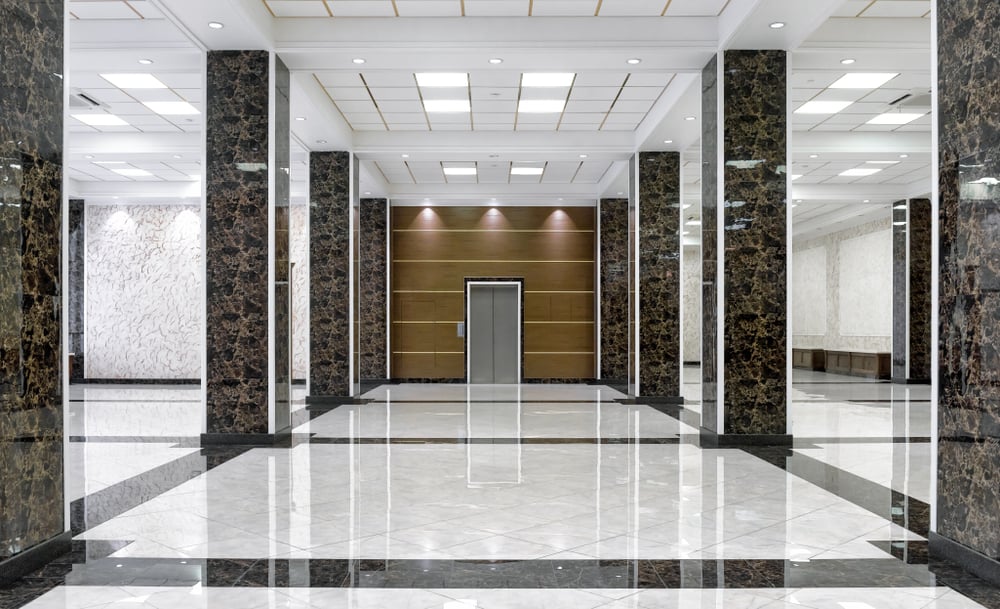
Spacious, modern building lobby with shiny marble floors enhanced by expert stone restoration NYC, dark marble columns, and bright ceiling lights. An elevator with wooden paneling is centered at the far end of the room.

Still Have Questions?

We’re here to help. Reach out to our team anytime!

Can you actually remove deep scratches from marble, or do they just get filled in temporarily?
Deep scratches are removed completely, not filled. The marble scratch removal process uses coarse diamond abrasives to grind away the damaged surface layer until we reach undamaged stone below the scratch. Then progressively finer grits smooth and refine the surface until it’s uniformly polished or honed, depending on your original finish. This physically eliminates the scratch by removing material, not by applying a coating or filler that wears away over time. For scratches deeper than about 1/32 inch, the process requires more time and starts with more aggressive grinding, but the scratches still come out completely. The difference between professional stone scratch removal and DIY attempts is precision—we have equipment that removes material evenly without creating low spots, uneven sheen, or new damage. The restored marble is actually smooth again, not just temporarily covered.
A typical marble countertop takes 2-4 hours for complete scratch removal and restoration. Residential marble floors around 200 square feet usually take about a day. Larger areas or heavily scratched surfaces take longer, but the process moves faster than most people expect. You can walk on restored floors immediately after we finish, but wait 24 hours before replacing furniture or heavy items so the sealer cures fully. For countertops, light use is fine right away, but avoid hot pans and acidic spills for the first day while the sealer sets. The restored surface is durable once sealed—you’re not walking on wet finish or uncured coating. Most clients are surprised how quickly professional marble scratch polishing happens compared to the disruption and timeline of replacement, which can take days or weeks and leaves your space unusable during demolition and installation.
Properly done marble scratch removal blends seamlessly—you won’t see lines or color differences where work was performed. The key is feathering the restoration into surrounding areas instead of stopping abruptly at the damaged spot. Diamond abrasives create uniform surface texture and finish across the treated area that matches your original marble. For polished surfaces, final polishing brings everything to the same high-gloss shine. For honed marble, we stop at the same matte finish as the rest of your floor or countertop. There’s no color matching issue because we’re not adding material—we’re revealing the natural stone that was always there, just removing the damaged top layer. The biggest blending challenge comes with aged marble that’s developed patina over many years, but even then, proper technique minimizes visible differences. If your marble has uneven wear or fading, restoration often improves overall appearance by bringing the entire surface to consistent finish and clarity.
Scratches are physical grooves caused by abrasive contact—furniture dragging, grit tracked in on shoes, pots sliding across counters, or abrasive cleaning tools. You can feel them with your fingernail. Etching is chemical damage from acidic substances like lemon juice, vinegar, wine, or harsh cleaners reacting with calcium carbonate in the marble and dissolving the surface. Etched areas feel smooth but look dull, cloudy, or lighter than surrounding stone. Both damage types are fixed with the same honing and polishing process, though they need different approaches. Scratches require more aggressive initial grinding to remove the grooved surface. Etching typically needs less material removal since it’s shallower damage. The good news is both are treatable, and we usually address scratches and etching together since most marble surfaces have a combination of both from normal use. Stone surface scratch removal in NYC and Long Island often involves treating multiple damage types in one service.
Professional marble scratch removal typically costs $300-$800 for residential countertops and $500-$1,500 for floor restoration, depending on square footage and damage severity. Marble replacement runs $50-$250+ per square foot for materials alone, plus demolition, disposal, and installation labor. A typical kitchen countertop replacement costs $3,000-$8,000 or more versus under $1,000 for restoration. The cost difference is dramatic, but so is the disruption difference. Restoration takes hours or a day. Replacement means days without a functional kitchen, construction mess, potential cabinet modifications, and coordinating multiple contractors. Most scratched marble is structurally sound and just needs surface renewal. Replacement makes sense only for cracked, severely damaged, or outdated stone you want to change anyway. For scratch damage, restoration delivers better value and faster turnaround every time.
You can’t make marble scratch-proof, but you can dramatically reduce how often scratches occur with the right habits. The single biggest prevention step is keeping grit, sand, and dirt off marble surfaces. Use doormats at all entries, sweep or vacuum regularly, and wipe up tracked-in dirt immediately before it gets ground into the stone. For marble countertops, always use cutting boards instead of cutting directly on the surface, and use trivets or pads under hot pots and heavy pans. Never drag items across marble—lift and place them. Avoid abrasive cleaning tools like scrub brushes or rough sponges. Professional sealing after marble scratch polishing doesn’t prevent scratches, but it makes surfaces easier to clean and more stain-resistant, which means less aggressive scrubbing that can cause fine surface damage. For high-traffic floors, some scratching is inevitable over years of use, but regular professional maintenance keeps wear from becoming noticeable. Think of marble like car paint—you can’t prevent every tiny mark, but smart habits and periodic professional care keep it looking excellent for decades.
Logo featuring the text "NYC Stone Care" with the "Y" in "NYC" stylized in red. The white background and green border highlight this stone restoration NYC brand’s professional look.

100 Park Ave.
New York, NY 10017

Opening Hours

Monday: 8:00am – 5:00pm
Tuesday: 8:00am – 5:00pm
Wednesday: 8:00am – 5:00pm
Thursday: 8:00am – 5:00pm
Friday: 8:00am – 5:00pm

Pin It on Pinterest

Share This