Logo featuring the text "NYC Stone Care" with the "Y" in "NYC" stylized in red. The white background and green border highlight this stone restoration NYC brand’s professional look.

Post-Construction Stone Cleaning NYC & Long Island

Construction's Done. Your Stone Isn't.

Construction dust doesn’t just sit on marble—it scratches it with every step. We remove every trace using stone-safe methods that restore the finish and protect what you invested in.

Stone-Specific Cleaning Methods

We use pH-neutral products tailored to each stone type, preventing the etching and scratching that general cleaners cause on marble and limestone.

Three-Stage Deep Cleaning

Our proven process removes debris, cleans residue with stone-safe products, and polishes surfaces so your space looks finished, not just swept.

HEPA Filtration Systems

Professional equipment captures the fine construction dust standard vacuums miss, protecting your stone and the air you breathe.

Experience With Luxury Materials

We've cleaned stone in NYC brownstones, Long Island estates, and high-end renovations where one wrong product ruins everything.

Construction Cleanup Stone Floors NYC

Why Construction Dust Isn't Regular Dirt

You expected your renovation to end with pristine stone floors. Instead, there’s a film you can’t wipe away, grout that looks cloudy, and a dullness where there should be shine.

That’s construction dust. It’s not dirt—it’s drywall particles, cement residue, sawdust, and silica from cutting stone. This mix settles into pores and grout lines where regular cleaning can’t reach. On marble and limestone, it does worse: it acts like sandpaper under foot traffic, gradually scratching away the polished finish.

Post-construction stone cleaning in NYC & Long Island solves this with methods designed for building debris, not household spills. We use HEPA filtration to capture fine particles, pH-neutral cleaners that won’t etch calcareous stone, and techniques that remove bonded residue without grinding it deeper. Your contractor built it right. We make sure it looks right.

Post-Construction Marble Cleaning NYC & Long Island

What You Get When It's Done Right

Professional construction cleanup doesn't just remove dust—it protects your stone investment and reveals the finish you paid thousands for.

Marble floors reflect light again instead of looking hazy from construction dust ground into the surface.
Grout lines stay clean longer because cement haze and embedded debris are completely removed, not just surface-wiped.
You skip the repair bills from using acidic cleaners that etch marble or abrasive pads that scratch granite.
Stone is properly sealed after cleaning, creating a barrier against stains and moisture that protects your investment.
Air quality improves as HEPA systems remove fine particles still circulating through vents after construction ends.
Your space becomes truly move-in ready—not just construction-complete—so you can enjoy it immediately.

Construction Dust Removal Stone NYC

Construction Debris Damages Stone Differently Than You Think

Construction dust isn’t one substance. It’s drywall particles, cement powder, wood fibers, metal shavings, and silica from cutting. Each affects stone differently, and regular cleaning makes some problems worse.

Drywall dust is alkaline and microscopically fine. It settles into marble pores and creates the hazy film that won’t wipe away. Cement residue bonds to stone chemically—scrubbing just spreads it. Sawdust absorbs moisture and transfers tannins that stain lighter stones. Metal particles oxidize into rust spots you can’t bleach out.

When you walk across floors covered in this debris, every step grinds particles into the surface. Granite tolerates it better, but marble, limestone, and travertine scratch easily. Those microscopic scratches scatter light instead of reflecting it, which is why polished stone suddenly looks matte even after you’ve “cleaned” it three times.

The fix isn’t scrubbing harder. It’s understanding what you’re removing and using methods that extract debris without causing new damage. HEPA vacuums capture particles regular vacuums just redistribute. pH-neutral cleaners dissolve residue without etching stone. Professional techniques remove bonded materials safely, then polish and seal the surface to restore and protect what construction exposed.

New Construction Stone Polishing Long Island

What Professional Post-Construction Cleaning Actually Includes

Post-construction stone cleaning in NYC & Long Island follows a systematic process because guessing creates problems. We start by identifying your stone types and assessing debris levels. What works safely on granite can permanently etch marble, so material knowledge comes first.

Initial cleanup removes large debris, protective films, labels, and loose dust using HEPA-filtered vacuums that capture fine particles without spreading them through your HVAC system. Detailed cleaning comes next—cement haze, grout residue, paint splatters, and bonded dust are removed with stone-specific products. This phase requires the most expertise because one wrong cleaner ruins calcareous stone permanently.

After thorough cleaning, we evaluate surfaces for construction damage. Light scratches can be buffed out. Deeper issues may need honing with diamond abrasives to restore the original finish. Finally, stone is sealed with penetrating sealers that protect against moisture and stains without creating an artificial-looking coating.

The process happens in stages, with each phase completed properly before moving forward. You’re not just getting clean floors—you’re getting stone restored to its intended condition and protected for long-term performance. That’s the difference between construction cleanup and post-construction stone cleaning.

Stone Cleaning After Construction NYC

Our Process for Construction Cleanup

01

Assessment & Material Identification

We identify each stone type, evaluate construction debris levels, and plan cleaning methods that protect your specific materials.

02

Three-Phase Cleaning Process

Debris removal, detailed residue cleaning with pH-neutral products, and polishing or honing restore the finish construction obscured.

03

Sealing & Long-Term Protection

Professional sealers protect cleaned stone from stains, moisture, and wear so your investment stays beautiful.

Frequently Asked Questions

Find answers to common questions about our services, process, and how we work.
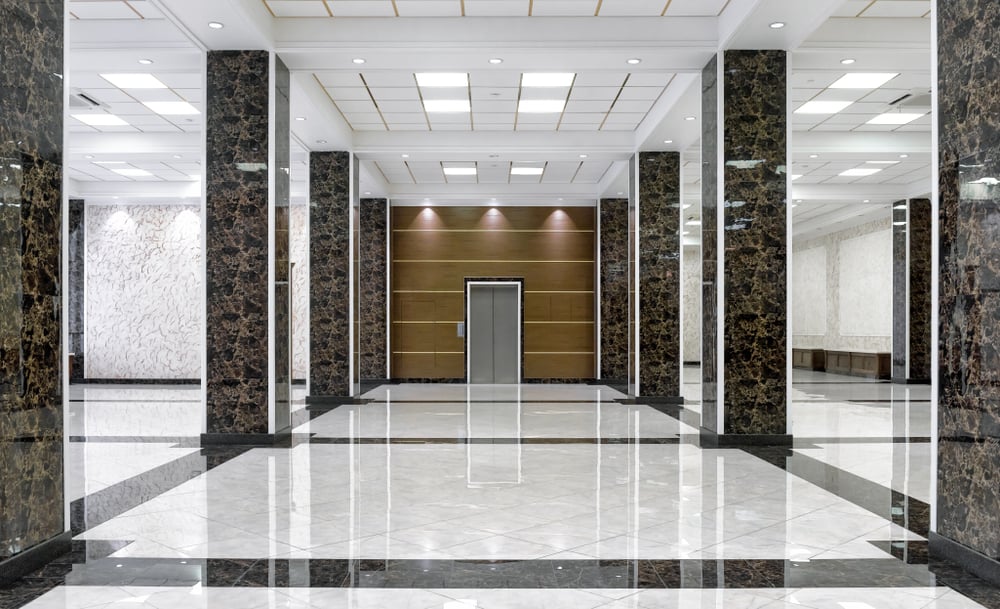
Spacious, modern building lobby with shiny marble floors enhanced by expert stone restoration NYC, dark marble columns, and bright ceiling lights. An elevator with wooden paneling is centered at the far end of the room.

Still Have Questions?

We’re here to help. Reach out to our team anytime!

How soon after construction should I schedule stone cleaning in NYC or Long Island?
Schedule once all dust-generating work is complete—typically after drywall sanding, painting, and final installations. Waiting too long lets construction debris bond more firmly to stone, making removal harder and potentially requiring honing instead of just cleaning. Scheduling too early means you’ll need another round after final work creates more dust. Most projects are ready within a few days of the contractor’s walkthrough. The timing matters because cement haze hardens over time, grout residue becomes permanent, and fine dust continues settling from HVAC systems for days after work stops. For renovations in NYC & Long Island, we often coordinate with contractors to clean just before your final inspection or move-in date. That way, stone looks perfect when it actually matters—not a week before more work happens. If you’re unsure about timing, we can assess your space and recommend the optimal schedule based on what’s left to complete.
You can remove surface dust, but construction debris creates problems DIY cleaning can’t solve—and often makes worse. Fine particles settle deep into pores where household vacuums can’t extract them. More critically, most store-bought cleaners contain acids that permanently etch marble, limestone, and travertine on contact. Vinegar, lemon-based products, and many “all-purpose” cleaners will dull these stones immediately. Construction dust also contains cement residue that bonds chemically to stone and requires specific removal techniques, not just scrubbing. Abrasive pads or brushes create scratches that scatter light, making polished stone look matte. We see this frequently in NYC & Long Island—homeowners try cleaning themselves, then call us to fix etching and scratches that cost more to repair than professional cleaning would have cost initially. Post-construction stone cleaning uses pH-neutral products, HEPA filtration, and material-specific techniques that remove all debris without causing damage. Your stone is an investment. Treat the cleanup like one too.
Regular maintenance cleans surfaces already in good condition—removing everyday dirt, spills, and light dust. Post-construction cleaning addresses heavy contamination from building materials and requires completely different approaches. Construction dust contains drywall particles, cement powder, sawdust, metal shavings, and debris that bond to stone differently than household dirt. This residue includes acidic and alkaline materials that etch or stain if removed improperly. You’re also dealing with paint splatters, grout haze, adhesive residue, caulk smears, and protective films that weren’t issues before renovation. The equipment changes too—HEPA vacuums, commercial scrubbers, and stone-safe solvents handle construction debris more effectively than standard mops and cleaners. Post-construction cleaning typically includes polishing or honing to restore finishes dulled or scratched during construction, plus sealing to protect stone going forward. It’s restoration combined with cleaning, designed for the specific challenges building creates. That’s why contractors in NYC & Long Island don’t handle it themselves—they know stone needs specialists after construction ends.
Light surface scratches and dullness from construction dust can usually be removed through professional cleaning and polishing. We use fine diamond abrasives to smooth the surface and restore the reflective finish marble should have. Deeper scratches that penetrate the polished layer need honing—grinding the surface down to remove damage, then re-polishing to the desired finish. Very deep gouges or chips require repair with color-matched epoxy before polishing can happen. During assessment, we evaluate your stone’s condition and explain what’s achievable. Most clients are surprised by the improvement—marble that looked permanently ruined often returns to near-original condition with proper restoration. However, expectations matter. Some construction damage is too severe to fully remove without replacing tiles, and we’ll tell you that honestly upfront rather than promising results we can’t deliver. For most post-construction situations in NYC & Long Island, the combination of thorough cleaning, light polishing, and proper sealing brings stone back to the finish you expected when the project started.
Yes, we clean stone in both residential and commercial properties throughout NYC & Long Island. Residential work includes single bathrooms, whole-home renovations, luxury condos, brownstones, and new construction homes where families need their living space clean and safe quickly. Commercial projects cover office buildings, retail spaces, restaurants, hotel lobbies, medical facilities, and multi-unit residential buildings. These typically have tighter deadlines tied to lease dates or grand openings, and we coordinate scheduling to meet those timelines without compromising quality. The cleaning process is fundamentally the same—protecting marble from construction debris requires identical material knowledge whether it’s a home kitchen or corporate lobby. What changes is scale, scheduling constraints, and sometimes the durability requirements based on expected foot traffic, which affects our sealing recommendations. Every project gets the same stone-specific care and attention to detail. We’ve handled everything from small bathroom renovations to full lobby restorations, and the approach stays consistent: understand the stone, remove debris safely, restore the finish, protect the investment.
Maintaining stone after professional cleaning is straightforward if you avoid the common mistakes that damage it. Use only pH-neutral cleaners designed for natural stone—never vinegar, lemon juice, ammonia, bleach, or generic household cleaners that etch or dull surfaces. Wipe spills immediately, especially acidic liquids like wine, coffee, or citrus that stain or etch if left sitting. Place walk-off mats at entries to capture dirt and grit that acts like sandpaper under foot traffic—this single step prevents most scratching. For daily cleaning, dry dust mop or use microfiber cloths that remove surface dust without scratching. Damp mop with stone cleaner when needed, but don’t soak floors since excess water causes problems. Reseal stone periodically—every 6-12 months for high-traffic areas in NYC & Long Island, less often for countertops or low-use spaces. We handle resealing when the time comes. Avoid dragging furniture or heavy objects across stone, and use felt pads under furniture legs. These habits aren’t complicated, but they protect your investment and keep stone looking the way it does right after we finish cleaning it. Most damage we see comes from using wrong products or ignoring small issues until they become expensive problems.
Logo featuring the text "NYC Stone Care" with the "Y" in "NYC" stylized in red. The white background and green border highlight this stone restoration NYC brand’s professional look.

100 Park Ave.
New York, NY 10017

Opening Hours

Monday: 8:00am – 5:00pm
Tuesday: 8:00am – 5:00pm
Wednesday: 8:00am – 5:00pm
Thursday: 8:00am – 5:00pm
Friday: 8:00am – 5:00pm

Pin It on Pinterest

Share This